
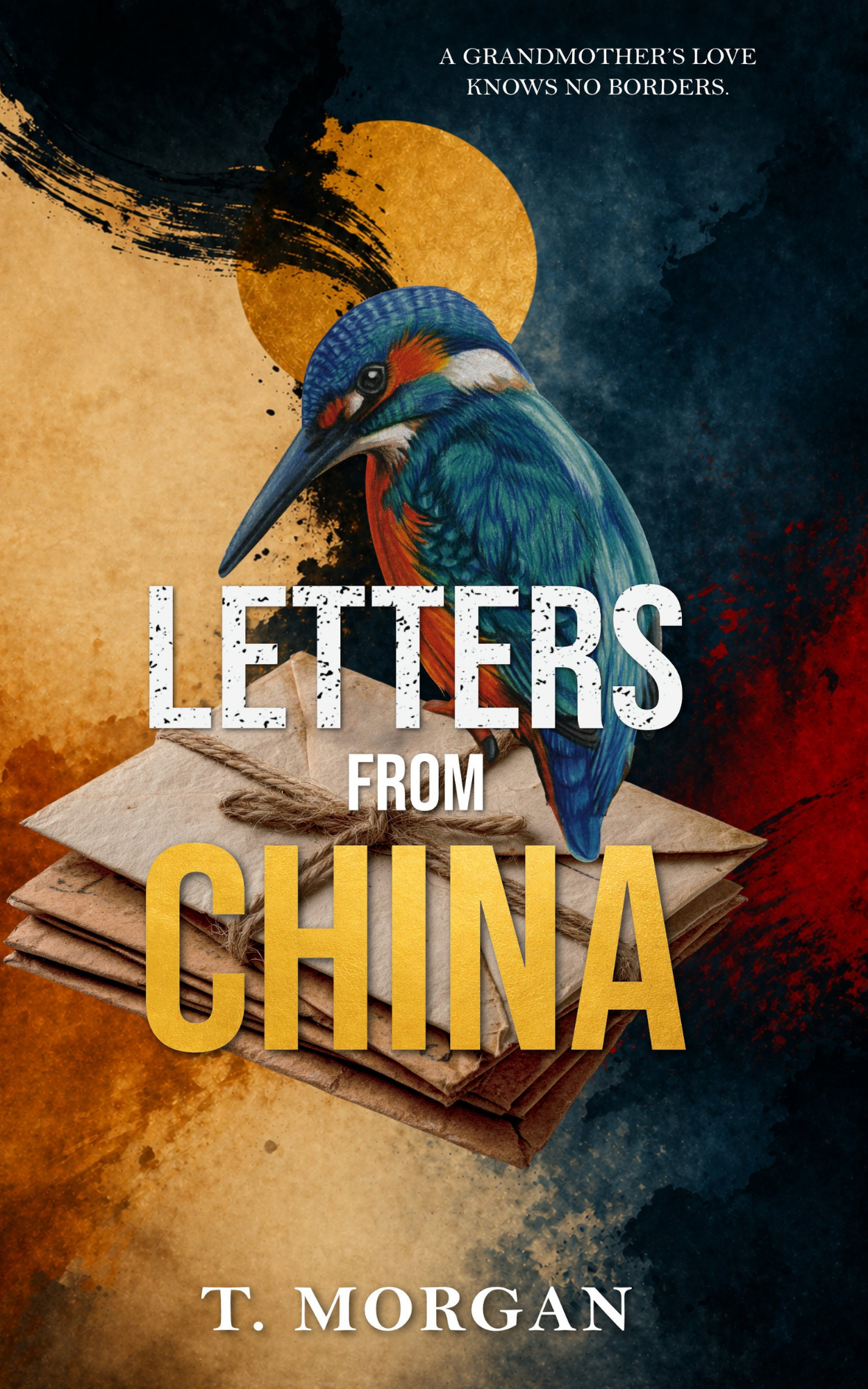
Letters to China – T Morgan eBook
R65,00 & Free Shipping for orders over R2000
Please note that this a digital product, no physical book will be sent.
A letter from across the world shatters a family’s quiet life…
When Sonto, a semi-literate grandmother in rural South Africa, receives a chilling letter from International Relations, her world tilts. Her only granddaughter, Pumi, has been arrested in China and faces the death sentence.
What follows is a heart-wrenching journey across borders and generations. As Sonto and her family confront the unimaginable, they test the strength of blood ties and the resilience of love. From whispered prayers in a village kitchen to desperate appeals in foreign courts, Letters from China traces a family’s fight for justice, dignity, and truth.
This is a story of ancestral echoes, moral reckoning, and the enduring power of hope in the face of despair. Is an historical fiction genre.
Free shipping on orders over R2000
- Satisfaction Guaranteed
- No Hassle Refunds
- Secure Payments
Description
Please note that this a digital product, no physical book will be sent.
A letter from across the world shatters a family’s quiet life…
When Sonto, a semi-literate grandmother in rural South Africa, receives a chilling letter from International Relations, her world tilts. Her only granddaughter, Pumi, has been arrested in China and faces the death sentence.
What follows is a heart-wrenching journey across borders and generations. As Sonto and her family confront the unimaginable, they test the strength of blood ties and the resilience of love. From whispered prayers in a village kitchen to desperate appeals in foreign courts, Letters from China traces a family’s fight for justice, dignity, and truth.
This is a story of ancestral echoes, moral reckoning, and the enduring power of hope in the face of despair. Is an historical fiction genre.
A review from a former member of UNISA faculty
T. Morgan’s debut novel, Letters from China, opens with striking scene: a grandmother, Sonto, in rural Zululand receives an official letter that her only granddaughter, Pumi, has been arrested far away in China for carrying illegal drugs and may face the executioner’s bullet. From this dilemma, Morgan builds a novel about how unexpected tragedy shatters a family—and what love attempts to undo. China is not an exotic backdrop and South Africa is not a sentimental homefront; the separation between them becomes the book’s central pressure, shaping every prayer, appeal, silence, and fragment of hope.
At the heart of the story is Sonto, Pumi’s semi-literate grandmother. Sonto is confronted by a catastrophic legal crisis but also by documents, institutions, and languages that can exclude her before she has even begun to fight. That first letter represents the cold face of a system that can reduce a young woman’s life to a case number while demanding that those who love her learn an unfamiliar bureaucratic vocabulary. Morgan’s choice to place an older semi-literate woman at the centre of this struggle makes the book’s concern with endurance even more poignant. The movement from a village kitchen to a foreign high security gaol is especially resonant. It suggests that legal peril is never experienced only in courtrooms: it enters meals, conversations, sleep, worship, and everyday rituals through which families try to keep panic at bay. By foregrounding Sonto’s prayers and the family’s appeals, Morgan creates a contrast between intimate care and impersonal procedure.
There is also an important generational dimension in the novel’s premise. Sonto’s fight for Pumi binds ancestral memory to a modern world of international diplomacy and criminal law. Morgan is interested in the ways older forms of knowledge—faith, kinship, oral memory, communal responsibility—encounter institutions that prize paperwork and official authority. In her endeavour to reach Pumi, Sonto is joined by several memorable characters, the intrepid Sister Mary from the local Mission where Sonto and her sister were confirmed and worshipped, the innovative Nandi, Pumi’s aunt, and the detective, Shaan, determined to take risks. These are the women who seek to find justice for Pumi’s deception by the drug dealer, Oni.
The book’s tone is urgent and the pace is driven by the letters from China communicating Pumi’s desperate plight. But in the tense, fast paced narrative hope remains and drives Sonto’s mission. It is the decision to keep writing, pleading, travelling, remembering, and demanding attention when every official signal counsels resignation. Yet the novel is not dark; its lighter moments lie in Morgan’s authentic portrayal of the camaraderie of street life in South Africa’s cities teeming with goodwill and the willingness to exchange information for Nandi’s traditional snacks. Morgan clearly knows and loves Africa and its people.
Ultimately, Letters from China is a moving examination of familial devotion tested by betrayal, human trafficking, fear, and bureaucracy. Its premise is devastating, but its vision is not negative. It remains gripping right up to its startling climax and resolution. By making Sonto’s persistence the engine of the story, T. Morgan offers a tribute to the enduring love that refuses to be intimidated by official boundaries. Readers drawn to emotionally serious fiction about family, justice, and resilience should find much to admire and discuss here. We look forward to the next novel from this promising author.
Only logged in customers who have purchased this product may leave a review.


Reviews
There are no reviews yet.